JST connector FAQ
Introduction
JST (Japan Solderless Terminal) is a well-known brand and manufacturer of electrical connectors widely used in the electronics industry. They produce a wide range of connectors that are designed for various applications and industries. Some of their popular connector series include:
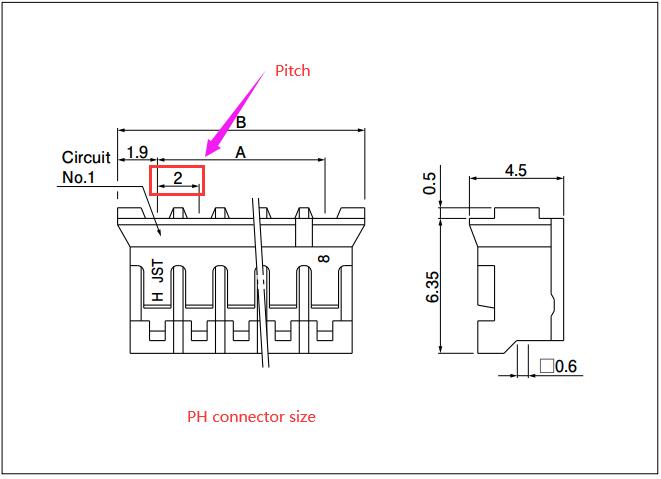
- JST PH Series: This series features connectors with a pitch spacing of 2.0mm. They are commonly used for low-power applications and are often found in electronics such as laptops, computer peripherals, and consumer electronics.
- JST XH Series: The XH series connectors have a pitch spacing of 2.5mm and are widely used in applications where a higher current-carrying capacity is required. They are commonly used in applications like battery packs, LED lighting, and other power-related circuits.
- JST VH Series: The VH series connectors have a pitch spacing of 3.96mm and are designed for higher current-carrying capabilities. They are often used in power supply connections and other applications where higher power requirements exist.
- JST GH Series: The GH series connectors have a pitch spacing of 1.25mm and are designed for higher-density applications. They are commonly used in small electronic devices and boards where space is limited.
- JST ZH Series: The ZH series connectors have a pitch spacing of 1.5mm and are designed for even higher-density applications. They are often used in applications where miniaturization is critical, such as in mobile devices and wearables.
- JST PHD Series: The PHD series connectors have a pitch spacing of 2.0mm and are designed for wire-to-wire connections. They are commonly used in various electronic devices and appliances.
What is connector pitch?
The pitch spacing refers to the distance between the center of one pin to the center of the adjacent pin in a connector. It is an essential specification for connectors as it determines the compatibility and interchangeability of connectors with different devices and PCBs.
For example, JST connectors are available in various pitch sizes, with the most common ones being 1.0mm, 1.25mm, 2.0mm, and 2.54mm (0.1 inch). Each type of connector is designed for specific applications, and pitch spacing is an important factor in selecting the appropriate connector for a particular electronic project. Like JST PH connectors are a popular series with a pitch spacing of 2.0mm, while JST XH connectors have a pitch spacing of 2.5mm.
What is the difference between JST PH and SH?
JST PH connectors come with a 2.0mm pitch, which refers to the distance between each pin or contact point on the connector. This pitch size allows for a secure and reliable connection between devices. The JST SH connectors, on the other hand, have a smaller 1.0mm pitch, making them suitable for applications where space is limited.
Both types of connectors offer a nice latching feel when inserting and removing them. This means that they provide a satisfying click or snap when properly connected or disconnected, giving users confidence in their connections. Additionally, this latching feature ensures that the connectors stay securely in place during operation and are not easily dislodged.
What is the difference between JST PH and JST XH?
- Pitch Spacing:
- JST PH Series: The PH series connectors have a pitch spacing of 2.0mm (0.079 inches). This means that the center-to-center distance between adjacent pins in the connector is 2.0mm.
- JST XH Series: The XH series connectors have a larger pitch spacing of 2.5mm (0.098 inches). This results in a slightly greater distance between the center of one pin and the center of the next pin.
- Current-Carrying Capacity:
- JST PH Series: The PH series connectors are typically used for low-power applications. They are designed to handle relatively lower current levels and are often found in applications with moderate power requirements.
- JST XH Series: The XH series connectors are designed to handle higher current-carrying capabilities compared to the PH series. They are more suitable for applications where a higher current capacity is required, making them commonly used in circuits with higher power demands.
- Applications:
- JST PH Series: Due to their smaller pitch and lower current capacity, PH series connectors are often used in applications where space is limited, and power requirements are moderate. They are commonly found in consumer electronics, computer peripherals, and similar devices.
- JST XH Series: XH series connectors are employed in applications that demand higher current-carrying capabilities. These connectors are often used in devices such as battery packs, LED lighting, and other power-related circuits.
How many Amps can a JST connector handle?
The maximum current-carrying capacity of a JST connector can vary depending on the specific series and size of the connector. Different JST connector series are designed to handle different current levels based on their intended applications and pin configurations. It's crucial to select a connector that matches the current requirements of your specific electronic circuit to ensure safe and reliable operation.
Here are some general guidelines for the current-carrying capacity of common JST connector series:
-
JST PH Series: The PH series connectors are typically used for low-power applications and are designed to handle current ratings ranging from a few hundred milliamps up to around 2-3 amperes.
-
JST XH Series: The XH series connectors are designed to handle higher currents compared to the PH series. They can typically handle current ratings from a few amperes up to around 5-6 amperes.
-
JST VH Series: The VH series connectors are capable of handling higher current levels compared to the PH and XH series. They can typically handle current ratings from several amperes up to around 10 amperes.
-
JST GH Series: The GH series connectors are designed for high-density applications and may have current ratings similar to or slightly higher than the PH series.
How do I know my JST connector size?
To determine the size of your JST connector, you need to look for specific information and markings on the connector itself. The size of a JST connector is typically identified by its series name and pitch spacing. Here's how you can find the size of your JST connector:
-
Check the Markings: Most JST connectors have markings or labels printed on the connector housing. Look for any alphanumeric codes or labels on the connector. The series name and pitch spacing might be abbreviated in the markings. For example, "PH" for 2.0mm pitch or "XH" for 2.5mm pitch.
-
Measure the Pitch Spacing: If you cannot find clear markings, you can measure the pitch spacing yourself. Use a caliper or ruler to measure the distance between the center of one pin to the center of the adjacent pin. The pitch spacing is the key characteristic used to identify JST connector sizes.
-
Reference the Datasheet: If you have access to the datasheet or documentation of the connector (usually available from the manufacturer's website), it will provide all the relevant information about the connector, including the series name, pitch spacing, and other specifications.
-
Online Resources: Some online resources and catalogs list various JST connectors along with their specifications. You can try searching for the connector's appearance or description to find a match with the appropriate series and size.
-
Ask the Manufacturer or Supplier: If you are still uncertain about the connector's size, consider contacting the manufacturer or the supplier from whom you obtained the connector. They should be able to provide you with the necessary information based on the part number or other identification details.
Remember that JST offers various connector series with different pitch spacings, so knowing the correct pitch spacing is crucial in identifying the connector size. Once you have the series name and pitch spacing, you can select the appropriate connector for your specific project or application.
Who uses JST?
-
Electronics Manufacturing Companies: JST connectors are commonly used by electronics manufacturers in the production of a wide range of devices and products. They are found in consumer electronics, computer peripherals, audio and video equipment, home appliances, and more.
-
Automotive Industry: JST connectors are used in automotive applications for connecting various electrical components, sensors, and modules. They offer reliable connections in the harsh environments of vehicles.
-
Aerospace and Aviation: In the aerospace and aviation industries, JST connectors are used in instrumentation, avionics, and communication systems, where reliable connections are essential for safety and performance.
-
Robotics and Automation: JST connectors are employed in robotics and automation systems for interconnecting motors, sensors, controllers, and other electronic components.
-
Telecommunications: JST connectors are used in telecommunications equipment for wiring connections and signal transmission in routers, switches, and network devices.
-
LED Lighting: The compact size and reliability of JST connectors make them popular in LED lighting fixtures and strips, allowing for easy and secure connections.
-
Power Supplies and Battery Packs: JST connectors are used in power supply units and battery packs, enabling efficient and secure connections for power distribution.
-
Medical Devices: In the medical industry, JST connectors are used in various medical devices and equipment for safe and reliable electrical connections.
-
DIY Electronics and Hobbyists: Hobbyists, DIY electronics enthusiasts, and makers often use JST connectors in their projects due to their ease of use and availability in the market.
JST connectors come in a variety of sizes and types, each tailored for specific applications. Their wide availability, reliable performance, and ease of use have contributed to their widespread adoption in diverse industries and applications.
Are JST connectors waterproof?
Most JST connectors are NOT inherently waterproof or designed for waterproof applications. Standard JST connectors, such as those in the PH, XH, VH, GH, ZH, and other series, are not sealed against water or moisture ingress. These connectors have open contacts and housings, which can allow water to enter and potentially cause electrical issues or damage.
However, JST and other connector manufacturers often offer specialized waterproof or water-resistant connector variants for specific applications where moisture protection is necessary. These waterproof connectors typically have additional features to prevent water from entering the connection area. Some common features found in waterproof connectors include:
-
Sealed Housings: Waterproof connectors have sealed housings that prevent water from entering the connector's interior. These housings are designed to withstand water exposure and offer varying levels of protection based on their IP (Ingress Protection) ratings.
-
Rubber Gaskets or Seals: Waterproof connectors often incorporate rubber gaskets or seals around the mating area to provide an additional barrier against water and moisture.
-
Locking Mechanisms: Some waterproof connectors include locking mechanisms that ensure a tight and secure connection, reducing the risk of water penetration.
-
IP Ratings: Manufacturers specify the level of water and dust protection provided by a connector using IP ratings. Higher IP ratings indicate better protection against water ingress.
-
Potted Connections: In some cases, connectors may be potted or encapsulated with waterproof materials to provide added protection.
When using connectors in outdoor or wet environments or in applications where water exposure is a concern, it is crucial to select the appropriate waterproof connectors designed for specific environmental conditions. Always check the datasheets and documentation provided by the manufacturer to ensure that the chosen connector has the required level of waterproofing for your application.
